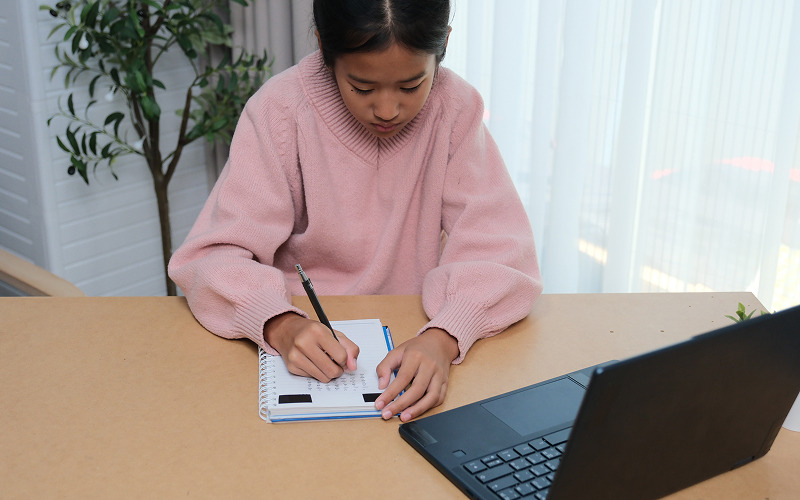
Creative Classroom Adventures: Engaging Activities That Ignite Curiosity and Learning

Creative Classroom Adventures: Engaging Activities That Ignite Curiosity and Learning
Every classroom has the potential to become a vibrant hub of exploration, where learning is not just absorbed but actively experienced. When students are engaged and curious, they become active participants in their own education, making lessons memorable and meaningful. Creative classroom activities transform traditional teaching methods into exciting adventures, fostering a love for learning that extends beyond the school walls. These activities encourage collaboration, critical thinking, and innovation, helping students develop essential skills while having fun. Whether through hands-on experiments, imaginative storytelling, or interactive games, creative teaching sparks curiosity and deepens understanding in ways that textbooks alone cannot.
The Power of Play in Learning
Play is often seen as a break from learning, but in reality, it is one of the most powerful tools for education. When students engage in playful activities, their brains are activated in unique ways, enhancing memory, creativity, and problem-solving skills. Play allows children to experiment, take risks, and learn from mistakes without fear of failure—an essential ingredient for growth. In a classroom setting, play-based learning bridges the gap between formal instruction and real-world application, making abstract concepts tangible and relatable. By incorporating games, role-playing, and open-ended activities, teachers can create an environment where curiosity thrives and students are eager to explore.
Activity Ideas to Spark Curiosity
Transforming a classroom into a dynamic learning space requires a mix of creativity and intentionality. Below are some engaging activity ideas designed to ignite curiosity and foster a love for learning across different subjects and age groups.
1. Storytelling and Drama
- Living Books: Students bring their favorite book characters to life through improvisational acting. They can dress up, create backstories, and even write short scripts to deepen their connection with the material.
- Story Chains: One student starts a story with a single sentence, and each classmate adds a new sentence, creating a collaborative narrative that evolves with each contribution.
- Historical Reenactments: For history lessons, students research a historical event and reenact it, helping them understand perspectives and context in a memorable way.
2. Hands-On Science and Exploration
- Science Mystery Boxes: Fill boxes with everyday objects and challenge students to predict what will happen when they interact with them. For example, a lemon, baking soda, and a small container can lead to a lesson on chemical reactions.
- Nature Scavenger Hunts: Take learning outdoors by creating a scavenger hunt based on scientific concepts. Students can collect leaves, rocks, or insects while identifying their characteristics and roles in the ecosystem.
- Build a City: Using recyclable materials, students design and construct a miniature city, applying math, engineering, and environmental science principles in the process.
3. Art and Creativity Stations
- Process Art Projects: Unlike step-by-step crafts, process art encourages experimentation with materials like paint, clay, or recycled items. The focus is on exploration rather than a predetermined outcome.
- Mystery Art Challenges: Provide students with random art supplies and a theme (e.g., “the ocean” or “space”), then challenge them to create something inspired by the theme in a limited time.
- Collaborative Murals: Large-scale murals allow students to contribute their artistic skills while working together to create a cohesive piece of classroom art.
4. Interactive Math Games
- Math Bingo: Create bingo cards with math problems instead of numbers. As the teacher calls out answers, students solve the problems to mark their cards.
- Real-World Budgeting: Give students a hypothetical budget and a list of items to “purchase.” They must calculate costs, apply discounts, and stay within their budget, practicing real-life math skills.
- Geometry Scavenger Hunt: Students search the classroom or schoolyard for examples of geometric shapes, such as circles, triangles, or parallel lines, and document their findings.
5. Technology and Digital Exploration
- Virtual Field Trips: Use online platforms to take students on immersive tours of museums, historical landmarks, or even the surface of Mars. Follow up with discussions or creative projects based on the experience.
- Digital Storytelling: Students can create multimedia stories using tools like Canva, Adobe Spark, or simple slideshow software. They combine text, images, and audio to share their narratives in a dynamic format.
- Coding Challenges: Introduce basic coding through fun, game-based platforms like Scratch or Code.org. Students can create their own games or animations, learning computational thinking along the way.
Adapting Activities for Different Learning Styles
Every student learns differently, and successful classroom activities should cater to a variety of learning styles—visual, auditory, kinesthetic, and reading/writing. By offering multiple ways to engage with the material, teachers can ensure that all students have the opportunity to succeed. For example, a science lesson on the water cycle might include a visual diagram for visual learners, a song or podcast for auditory learners, a hands-on experiment for kinesthetic learners, and a written reflection for reading/writing learners. Incorporating diverse activities not only makes learning more inclusive but also helps students discover their strengths and preferences.
Encouraging Collaboration and Communication
Many of the most engaging classroom activities are designed to be collaborative, encouraging students to work together, share ideas, and learn from one another. Group projects, peer teaching, and team-based challenges foster communication skills, empathy, and respect for diverse perspectives. For instance, a debate or Socratic seminar can help students articulate their thoughts clearly while considering different viewpoints. Similarly, group science experiments or art projects teach the value of teamwork and collective problem-solving. These experiences prepare students for real-world interactions and build a sense of community within the classroom.
Overcoming Challenges in Creative Teaching
While creative classroom activities offer numerous benefits, teachers may face challenges in implementation. Limited resources, time constraints, and large class sizes can all pose obstacles. However, creativity often thrives within constraints. Teachers can maximize limited resources by using everyday materials, collaborating with colleagues to share ideas, or seeking community partnerships for donations or guest speakers. Time management can be improved by integrating creative activities into existing lessons rather than viewing them as separate entities. For example, a 10-minute storytelling warm-up can set the tone for a history lesson, blending creativity with curriculum goals. With flexibility and resourcefulness, teachers can overcome these challenges and create a dynamic learning environment.
Assessing Learning Through Creative Activities
Assessment is a critical component of teaching, but traditional tests and quizzes may not always capture the full extent of a student’s understanding or creativity. Creative activities provide alternative ways to assess learning, such as through presentations, projects, or portfolios. For example, after a science experiment, students can present their findings to the class, demonstrating their comprehension and communication skills. In an art project, teachers can evaluate not just the final product but also the student’s process, creativity, and problem-solving abilities. Rubrics can be used to guide expectations and provide clear criteria for success, ensuring that assessments are fair and meaningful.
Conclusion: Nurturing Lifelong Learners
Creative classroom adventures are more than just fun breaks from routine—they are the foundation of a lifelong love for learning. By incorporating engaging, hands-on activities, teachers can ignite curiosity, foster collaboration, and help students develop skills that extend far beyond the classroom. When students are excited about learning, they become active participants in their education, asking questions, seeking answers, and embracing challenges with confidence. As educators, our goal is not just to teach facts but to inspire a sense of wonder and a hunger for knowledge. Through creativity and innovation, we can transform classrooms into spaces where every student thrives and every lesson becomes an adventure.