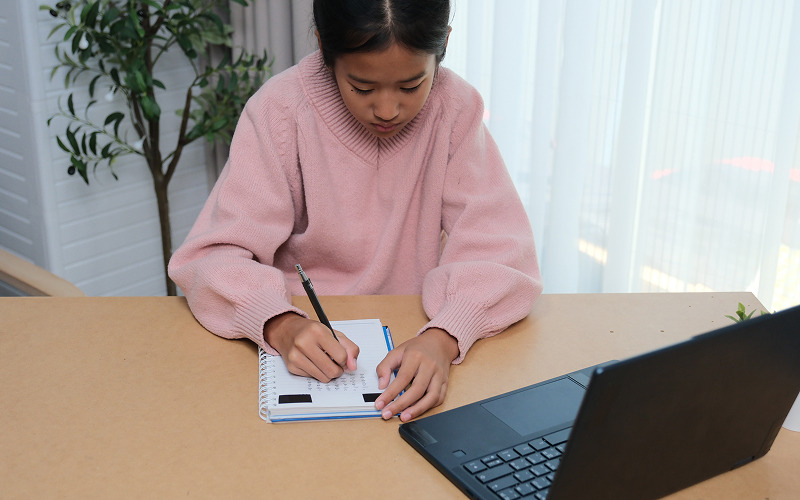
The World in Classrooms: Breaking Borders through International Education

The World in Classrooms: Breaking Borders through International Education
In a world increasingly connected yet deeply divided, education has emerged as one of the most powerful tools for fostering understanding, breaking down barriers, and building bridges between cultures. International education, in particular, plays a pivotal role in shaping global citizens who are not only academically proficient but also culturally aware and socially responsible. By stepping into classrooms that transcend geographical borders, students gain exposure to diverse perspectives, challenge their own assumptions, and develop skills essential for a globalized world. This article explores how international education is reshaping learning environments and why it is crucial for the future of our interconnected planet.
Why International Education Matters
International education goes beyond traditional academic learning—it is about immersing students in environments where different cultures, languages, and viewpoints coexist. Here are some reasons why it holds immense value:
- Cultural Exchange and Empathy: Students interact with peers from various backgrounds, fostering empathy and reducing stereotypes through direct human connection.
- Enhanced Language Skills: Being surrounded by native speakers accelerates language acquisition and improves communication skills in diverse settings.
- Global Perspective: Exposure to international curricula and global issues helps students develop a broader understanding of the world and their role within it.
- Academic Excellence: Many international schools and programs follow globally recognized curricula like the International Baccalaureate (IB) or Cambridge Assessment, which emphasize critical thinking and real-world application.
- Career Opportunities: Employers increasingly value graduates with international experience, as they bring adaptability, cross-cultural competence, and problem-solving skills to the workforce.
The Rise of International Schools and Programs
Over the past few decades, the number of international schools worldwide has surged, catering to both expatriate families and local students seeking a global education. According to the International School Consultancy (ISC), there were over 12,000 international schools globally in 2023, serving more than 5.5 million students. These institutions offer a variety of programs, each with its unique approach to fostering global citizenship.
Some of the most recognized international education frameworks include:
- International Baccalaureate (IB): A highly respected curriculum that encourages students to think critically, engage in community service, and develop an international mindset. The IB program is divided into four levels: Primary Years Programme (PYP), Middle Years Programme (MYP), Diploma Programme (DP), and Career-related Programme (CP).
- Cambridge International Education: Offering curricula from primary to pre-university levels, Cambridge programs focus on deep subject knowledge, problem-solving, and real-world skills.
- Advanced Placement (AP) Programs: Primarily available in the United States, AP courses allow high school students to take college-level classes and earn credits, making them attractive for students aiming for higher education abroad.
- International Schools with National Curricula: Some schools blend national curricula (e.g., British, American, or Australian) with international elements, providing a hybrid approach to global education.
Breaking Barriers: How International Education Fosters Inclusion and Equity
While international education is often associated with elite institutions and expatriate communities, its potential to promote inclusion and equity is immense. Efforts are being made worldwide to make global education accessible to students from all backgrounds, ensuring that the benefits of cross-cultural learning are not confined to a privileged few.
Scholarships and Outreach Programs
Many organizations and institutions are working to democratize international education by offering scholarships and outreach programs. For example:
- Dell Scholars Program: Supports low-income students in the United States with financial aid, mentorship, and college readiness resources.
- UNESCO’s Global Education Monitoring Report: Advocates for inclusive and equitable education, highlighting the importance of international programs in bridging educational divides.
- Rotary Youth Exchange: A program that allows high school students to study abroad for a year, fostering cultural understanding and leadership skills.
- Education Cannot Wait: A global fund that provides education opportunities for children in crisis-affected areas, ensuring they do not miss out on learning during conflicts or disasters.
These initiatives are crucial in breaking down financial and social barriers that prevent students from accessing international education. By prioritizing equity, international education becomes a tool for empowerment rather than a privilege reserved for a few.
Virtual Exchange and Online Learning
The digital revolution has further expanded the reach of international education, making it possible for students to engage in cross-cultural learning without physically traveling abroad. Virtual exchange programs, online courses, and collaborative digital projects are bridging gaps in ways previously unimaginable. Platforms like eTwinning, Erasmus+, and Global Scholars connect students from different countries, enabling them to work on joint projects, share perspectives, and build lasting friendships. These programs not only reduce costs but also make international education more inclusive by removing geographical and financial constraints.
The Role of Teachers in Global Classrooms
At the heart of international education are the educators who design and facilitate these transformative experiences. Teachers in global classrooms play a multifaceted role, acting as facilitators, cultural ambassadors, and mentors. They must be equipped with not only subject expertise but also intercultural competence and adaptability to meet the needs of diverse learners.
Skills and Competencies for Global Educators
To effectively teach in an international setting, educators need to develop specific skills:
- Cultural Sensitivity: Understanding and respecting cultural differences while creating an inclusive classroom environment.
- Adaptability: Adjusting teaching methods to cater to students from various educational backgrounds and learning styles.
- Language Proficiency: While not always mandatory, being able to communicate in multiple languages enhances engagement with non-native speakers.
- Global Awareness: Staying informed about international events, global issues, and best practices in education to enrich classroom discussions.
- Collaborative Teaching: Working with colleagues from different cultural and professional backgrounds to create a holistic learning experience.
Professional development programs, such as those offered by the International Baccalaureate Organization (IBO) and Cambridge International, help teachers refine these skills and stay updated with global educational trends.
Challenges Faced by International Educators
Despite the rewards, teaching in an international setting comes with its own set of challenges:
- Diverse Learning Needs: Students may have varying levels of English proficiency, prior knowledge, and learning styles, requiring differentiated instruction.
- Curriculum Alignment: Balancing the demands of a rigorous international curriculum with local educational standards can be complex.
- Cultural Misunderstandings: Differences in classroom etiquette, communication styles, and expectations can lead to misunderstandings if not addressed proactively.
- Teacher Burnout: The emotional labor of constantly adapting to new cultures and high expectations can take a toll on educators.
- Resource Limitations: Some international schools, particularly in developing countries, may lack adequate teaching materials or technology.
Addressing these challenges requires strong institutional support, community building among staff, and a commitment to continuous improvement.
Success Stories: Real-World Examples of International Education in Action
Around the globe, schools, universities, and grassroots organizations are implementing innovative programs that demonstrate the transformative power of international education. Below are a few inspiring examples:
United World Colleges (UWC): Educating for Peace and Sustainability
Founded in 1962 by educational visionary Kurt Hahn, the United World Colleges (UWC) movement operates a network of 18 schools and colleges across 40 countries. UWC schools bring together students from diverse backgrounds, selected based on merit and potential, regardless of their socioeconomic status. The curriculum emphasizes experiential learning, community service, and sustainability. For example, UWC ISAK Japan integrates outdoor education and leadership training, while UWC Atlantic in Wales focuses on environmental stewardship. Alumni of UWC include Nobel laureates, politicians, and activists who credit the experience with shaping their global outlook.
Teach For All: Global Network for Educational Equity
Teach For All is a global network of independent organizations working to address educational inequity by recruiting and training educators who commit to teaching in underserved communities. Their approach is rooted in the belief that every child deserves access to quality education, regardless of their background. Programs like Teach For Bangladesh and Teach For India place young leaders in classrooms, where they not only teach but also work to improve local education systems. Many participants go on to become influential policymakers, entrepreneurs, and advocates for education reform, driven by their international experiences.
Global Scholars Program: Connecting Classrooms Digitally
The Global Scholars Program, initiated by the International Education and Resource Network (iEARN), connects students and teachers from over 140 countries through collaborative online projects. One such project, “My City, My World,” invites students to explore and document sustainable development goals in their local communities, sharing their findings with peers worldwide. This program not only enhances digital literacy but also fosters a sense of global responsibility among young learners. For many students in rural or under-resourced areas, this is their first exposure to international collaboration.
The Future of International Education: Trends and Innovations
As we move further into the 21st century, international education continues to evolve, driven by technological advancements, shifting societal needs, and a growing emphasis on sustainability and social justice. Here are some key trends shaping its future:
1. Emphasis on Social-Emotional Learning (SEL)
International education is placing greater importance on social-emotional learning (SEL), which focuses on developing skills such as empathy, resilience, and self-awareness. Programs like the IB’s Approaches to Learning (ATL) skills integrate SEL into the curriculum, helping students navigate complex social dynamics and build healthy relationships in diverse settings. The COVID-19 pandemic further highlighted the need for SEL, as students worldwide grappled with isolation and uncertainty.
2. Integration of Technology and AI
Artificial Intelligence (AI) and adaptive learning technologies are revolutionizing international education by personalizing learning experiences. Tools like Duolingo for Schools, Kahoot!, and AI-powered tutoring systems help students learn at their own pace, regardless of their location. Virtual reality (VR) is also being used to create immersive classroom experiences, such as virtual field trips to historical sites or interactive language labs. These technologies not only enhance engagement but also make international education more accessible to students with disabilities or limited mobility.
3. Focus on Sustainability and Global Citizenship
The urgency of climate change and social inequality has led international education programs to prioritize sustainability and active global citizenship. The UN Sustainable Development Goals (SDGs) are increasingly integrated into curricula, encouraging students to engage in projects that address real-world challenges. For instance, the IB’s Sustainability and Society course challenges students to develop solutions for environmental issues in their communities. Schools are also adopting eco-friendly practices, such as zero-waste policies and renewable energy use, to model sustainable behavior for students.
4. Blended and Hybrid Learning Models
The pandemic accelerated the adoption of blended and hybrid learning models, which combine in-person and online instruction. These models offer flexibility and continuity, allowing students to participate in international exchanges without leaving their home countries. For example, schools like Singapore American School and International School Bangkok have implemented hybrid programs that enable students to collaborate with peers abroad in real time. As technology continues to advance, these models are expected to become even more sophisticated.
5. Increased Collaboration Between Institutions
Universities and schools are forming stronger partnerships to create seamless pathways for international education. Initiatives like double-degree programs, joint research projects, and student exchange agreements are becoming more common. For example, New York University (NYU) has established global campuses in Abu Dhabi and Shanghai, allowing students to study in different cultural hubs while earning credits from a single institution. These collaborations not only enrich the educational experience but also foster cross-cultural research and innovation.
Conclusion: A Call to Action
International education is more than a trend—it is a necessity in a world where borders are increasingly porous yet divisions run deep. By breaking through the walls of traditional classrooms, international education equips students with the knowledge, skills, and empathy needed to thrive in a globalized society. It challenges us to rethink the purpose of education: not just to impart information, but to cultivate compassionate leaders who can address the world’s most pressing issues.
However, the journey is far from over. To ensure that international education lives up to its potential, stakeholders—educators, policymakers, parents, and students—must work together to:
- Advocate for equitable access: Ensure that international education is not a luxury but a right for all students, regardless of their background.
- Invest in teacher training: Provide educators with the tools and support they need to thrive in global classrooms.
- Leverage technology responsibly: Use digital innovation to bridge gaps, not widen them, while ensuring data privacy and equity in access.
- Promote intercultural dialogue: Create spaces where diverse voices are heard and valued, fostering mutual understanding and collaboration.
- Encourage lifelong learning: Recognize that international education does not end in the classroom—it is a lifelong journey of growth and adaptation.
As we look to the future, let us embrace international education not just as a means to an end, but as a transformative force that has the power to unite humanity. In the words of Nelson Mandela, “Education is the most powerful weapon which you can use to change the world.” By breaking borders through education, we take a significant step toward building a more just, peaceful, and interconnected world.